San Diego Toilet to Tap: What Pure Water Actually Means
San Diego Toilet to Tap: What "Pure Water" Actually Means for What Comes Out of Your Faucet
If you've searched "San Diego toilet to tap," you've probably seen the headlines and wondered what's actually about to change in your water. The nickname sounds alarming, and it's stuck around for decades precisely because it is. But the phrase is also, according to the water engineers actually running the program, not an accurate description of what's happening. Here's what San Diego's Pure Water program actually does, when it reaches your tap, and what it means for your home's water quality going forward.
What Is "Toilet to Tap" in San Diego?
"Toilet to tap" is the nickname critics gave San Diego's water recycling program decades ago, and it's remained the most-searched term for it ever since, even though water industry experts say it misrepresents the process entirely. Andrew Salveson, Chief Water Reuse Technologist at Carollo Engineering, has stated plainly that direct toilet-to-tap has never actually happened anywhere in California's recycling programs.
The official name for San Diego's version of this program is Pure Water San Diego, a city-run initiative that recycles wastewater through an intensive, multi-stage purification process before it ever reaches a reservoir, let alone a tap. The program is designed to eventually supply nearly half of San Diego's drinking water locally by 2035, reducing the city's dependence on imported water from the Colorado River and Northern California, sources that make up roughly 85 percent of San Diego's current water supply.
How the Purification Process Actually Works
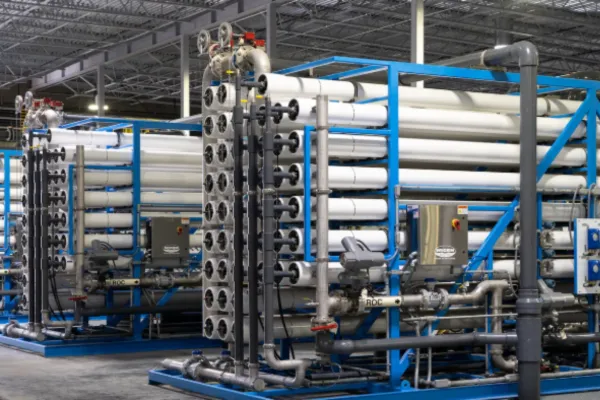
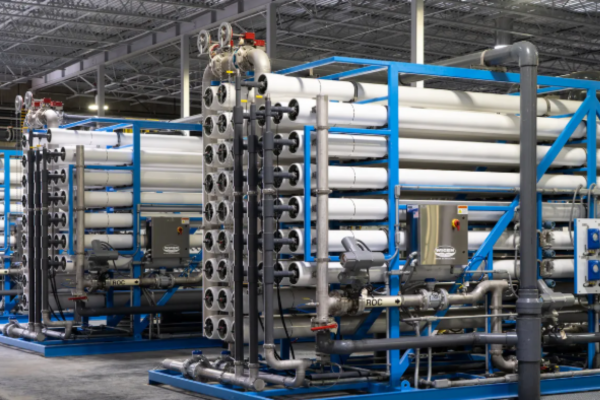
Water entering the Pure Water system doesn't go from a toilet to a faucet in any direct sense. Before it ever reaches a Pure Water facility, wastewater is first treated at a conventional wastewater plant. From there, it goes through five separate advanced purification steps: ozone treatment, biologically active carbon filtration, membrane filtration, reverse osmosis, and ultraviolet light disinfection.
After that five-stage process, the purified water isn't piped straight to homes either. California regulations require it to first spend time in an "environmental buffer," in San Diego's case, the Miramar Reservoir, where it's blended with the reservoir's existing water supply and then treated again at the Miramar Drinking Water Treatment Plant before it's distributed to customers. That reservoir storage step exists specifically as an added layer of caution beyond the treatment process itself.
When Does Pure Water Actually Reach San Diego Taps?
Phase 1 of Pure Water San Diego is under active construction now, with ten major projects underway across Morena, Bay Park, Bay Ho, Clairemont, University City, Miramar, and Scripps Ranch. Phase 1 is expected to begin supplying purified water to customers in 2026, adding roughly 30 million gallons of recycled water per day into the Miramar Reservoir system.
A second phase, still in the planning stage, would expand the program further using the San Vicente and Murray reservoirs. By full build-out in 2035, the program is expected to supply up to 83 million gallons of water per day, close to half of the city's total water supply, while cutting the volume of treated wastewater the city discharges into the ocean by roughly half.
Worth noting: San Diego currently has no approved plans for direct potable reuse, meaning purified water pumped straight into the drinking water system without first passing through a reservoir. City officials have said that could eventually change under a future phase, but any shift would require new state regulatory approval San Diego doesn't currently have.
Is Pure Water Safe to Drink?
The short answer, according to the water utility engineers and independent reporting on the program, is yes, and by a wide margin. The five-step advanced treatment process Pure Water uses is more rigorous than the treatment most municipal water supplies receive from any single source, precisely because recycled water is held to a higher regulatory bar before it's approved for use.
One genuinely interesting engineering detail: San Diego actually had to solve a mineral problem in early testing. Purified water coming out of the advanced treatment process is so thoroughly stripped of dissolved minerals that when early test water was run through the city's existing pipe network, it began leaching minerals directly out of the pipes themselves, causing some to weaken. The fix was to deliberately reintroduce minerals into the purified water before it enters the distribution system, an addition step built specifically to protect aging infrastructure, not a treatment shortfall.
What This Means for Your Home's Water Quality
Pure Water doesn't replace San Diego's water testing or treatment standards, it adds a locally sourced, heavily treated supply into the same distribution and reservoir system your water already comes from. That means the water quality considerations San Diego homeowners already deal with, hardness from mineral content, and disinfection byproducts formed during treatment, remain part of the picture, they don't disappear because part of the supply chain is now local.
Since Pure Water blends into the same reservoir and treatment infrastructure covered in San Diego's published water testing data, the practical takeaway for most homeowners doesn't change: whole home filtration and a properly sized water softener remain the most direct way to control what comes out of your own tap, regardless of what percentage of the city's overall supply originates from imported sources versus the Pure Water program.
Frequently Asked Questions
Is San Diego's tap water actually treated sewage right now?
Not currently. Pure Water Phase 1 is still under construction and isn't expected to begin supplying customers until 2026. Once operational, treated water goes through five purification steps and spends time in the Miramar Reservoir before reaching any tap, it is not delivered directly.
Why is it called "toilet to tap" if that's not accurate?
The nickname originated as a critical framing from opponents of the program decades ago and stuck in public use, even though water reuse experts say it misrepresents a process that includes reservoir storage and additional treatment beyond the recycling steps themselves.
Will Pure Water change how hard my water is?
Pure Water is blended into the existing reservoir and treatment system, it doesn't operate as a separate supply. Home water hardness and treatment needs are expected to remain consistent with San Diego's current water profile.
When will Pure Water actually reach my home?
Phase 1 is expected to begin supplying water in 2026, delivering around 30 million gallons daily into the Miramar Reservoir system. Full program build-out, supplying up to half of San Diego's water, is planned by 2035.
Does this mean I don't need a water softener or filter anymore?
No. Pure Water is a supply-side infrastructure change, it doesn't replace what happens to water once it enters your home's plumbing. Hardness minerals and disinfection byproducts are part of any municipal water supply, recycled or imported, and are addressed at the point of entry to your home, not by the source of the water itself.
This article summarizes publicly reported information on the City of San Diego's Pure Water Program. For current project timelines and technical details, refer to the City of San Diego Public Utilities Department.
